
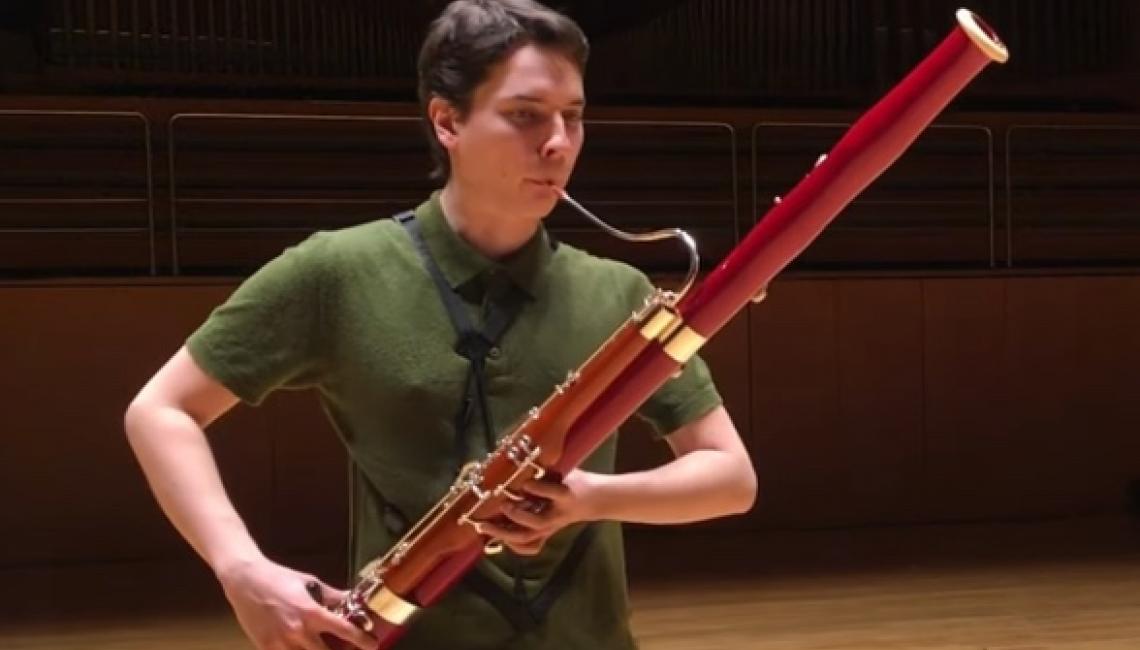
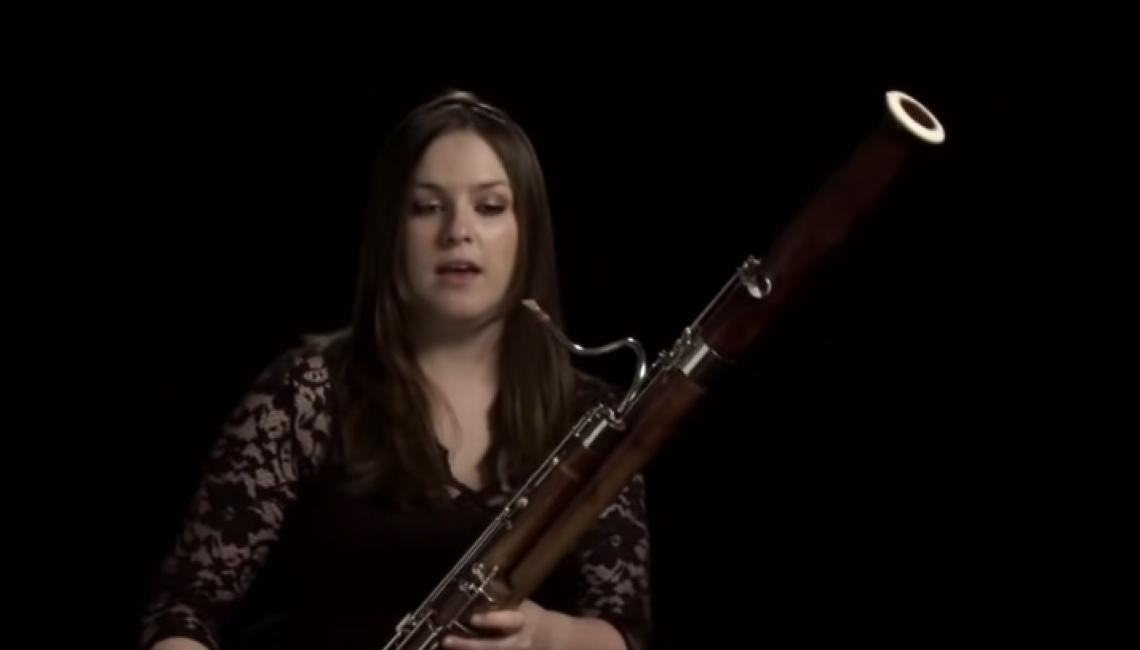
The bassoon's origins lie in the dulcian, a Renaissance double-reed instrument carved from a single piece of wood with a folded conical bore, developed in the mid-16th century. This folding design solved a practical problem: a bass double-reed instrument needs several feet of tubing to reach low pitches, and bending the bore back on itself made the instrument manageable to hold and play, unlike the unwieldy bass shawms it complemented.
Dulcians were popular across Renaissance and early Baroque Europe, valued for blending well with voices and other instruments in consort and church music. By the mid-17th century, French makers—again including figures connected to the Hotteterre workshop tradition that reshaped the oboe—began redesigning the dulcian into a jointed instrument built from separate sections rather than one carved block. This new instrument, the "basson" or bassoon, allowed for more precise craftsmanship, better tuning, and the gradual addition of keys.
Baroque composers embraced the bassoon both as a bass-line instrument in the continuo group and as a solo voice. Vivaldi wrote an extraordinary number of bassoon concertos—around 39—showcasing its agility and expressive range far beyond mere bass support.
Through the Classical era, the bassoon gained additional keywork, and two distinct national schools of design emerged and persist today. The German system, refined significantly by Carl Almenräder and later the Heckel firm in the 19th century, became the standard in most of the world's orchestras—known for a focused, blended tone. The French system, developed by makers like Buffet, retained a different bore profile and keywork, producing a more reedy, distinctive timbre; it remains used primarily in France.
The 19th-century Heckel refinements—improving tone-hole placement, key mechanisms, and intonation—established the modern German bassoon largely as it exists today, prized for its expressive depth, wit, and remarkable range from sonorous bass to plaintive tenor.
