
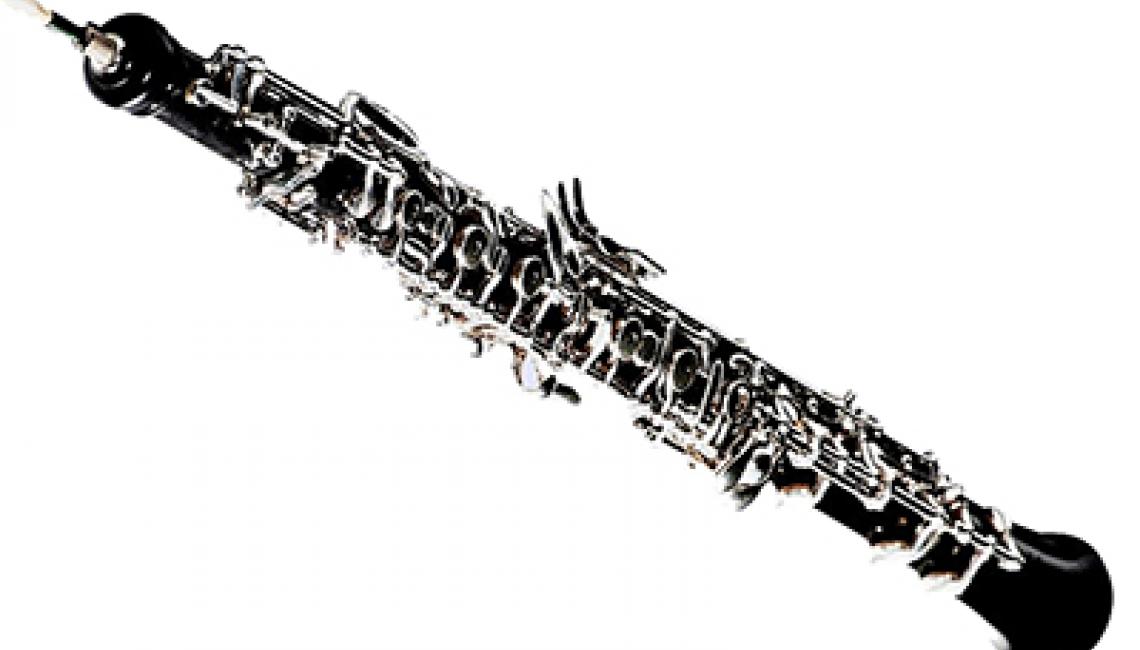

The oboe's lineage traces back to ancient double-reed instruments, where two vibrating reeds—rather than a single reed or open embouchure—produced sound. Precursors appear across ancient Egypt, Greece (the aulos), and the Middle East, where the zurna and similar shawms became fixtures of outdoor, ceremonial, and military music, prized for their piercing, penetrating tone.
The direct ancestor of the modern oboe was the shawm, a loud conical-bore instrument that spread through medieval and Renaissance Europe via trade and crusading contact with Islamic cultures. Shawms were played outdoors—in town bands, processions, and dances—because their volume made them unsuitable for delicate indoor ensembles.
The transformation into the oboe proper happened in France around the mid-17th century, at the court of Louis XIV. Instrument makers, possibly including members of the Hotteterre and Philidor families, redesigned the shawm: narrowing the bore, refining the reed to be held directly between the lips rather than enclosed in a cap, and splitting the body into joints for precision manufacturing. This new instrument, called the "hautbois" (French for "high wood"), was quieter and more expressive, suited to indoor court and opera orchestras. It quickly became central to Baroque ensembles, featured prominently by Lully, Purcell, Bach, Handel, and Vivaldi, who wrote numerous oboe concertos and obbligato parts.
Through the Classical era, the oboe gained additional keys, improving chromatic flexibility; composers like Mozart and Haydn gave it prominent solo and orchestral roles.
The 19th century brought the most significant redesign. French makers, notably around the Paris Conservatoire, developed the "Conservatoire system" in the mid-1800s, refining bore dimensions, keywork, and reed-making conventions. This French model became the international standard, distinct from the German/Viennese oboe tradition that persisted separately.
Today's orchestral oboe remains close to that 19th-century French design—known for its distinctive reedy, nasal timbre and its traditional role tuning the orchestra, a nod to its penetrating, unmistakable voice.
