
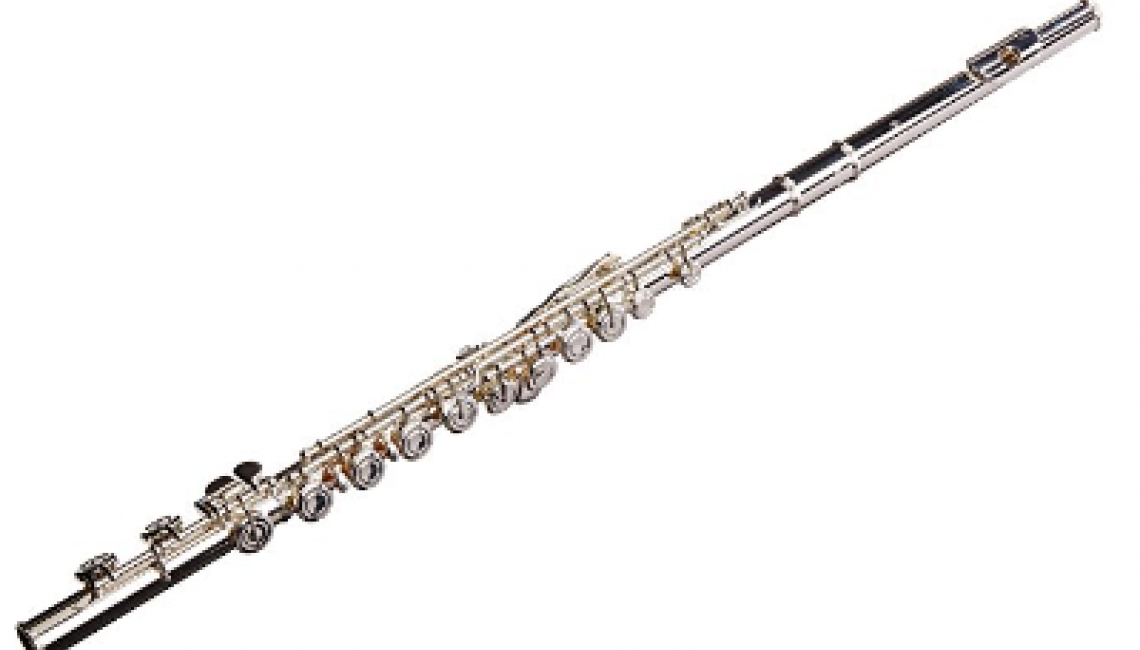

The flute is among the oldest known musical instruments, with archaeological finds—bone flutes from the Swabian Jura in Germany—dating back over 40,000 years, some carved from vulture bone and mammoth ivory. This suggests humans have been shaping air through hollow tubes for the length of our species' cultural memory.
Ancient civilizations developed the instrument independently across many cultures. Egyptian tomb paintings depict end-blown flutes as early as 3000 BCE, while similar instruments appear in early Chinese, Indian, and Mesopotamian art. The Chinese dizi and Indian bansuri, both bamboo transverse flutes, remain living traditions today, largely unchanged in basic design for centuries.
In medieval Europe, the transverse flute arrived via Byzantine and Central Asian trade routes, eventually becoming a fixture in military bands before entering courtly music. By the Renaissance, simple wooden flutes with six finger holes were standard, prized for their sweet, breathy tone.
The Baroque era brought crucial refinements. French makers, particularly the Hotteterre family in the late 1600s, redesigned the flute into three or four jointed sections with a single key, improving tuning and expressive range. Composers like Bach, Vivaldi, and Telemann wrote extensively for this "traverso."
The instrument's modern form emerged in the 19th century through Theobald Boehm, a German goldsmith and flutist. Between the 1830s and 1847, Boehm reengineered the flute's acoustics and mechanics, introducing a system of keys, pads, and larger tone holes that maximized volume, intonation, and agility. His cylindrical metal body, still used today, replaced the conical wooden bore.
Since Boehm, the flute has diversified into piccolos, alto and bass flutes, and countless folk variants worldwide, while retaining its essential principle: a column of air, split and shaped by breath, singing through metal or wood.
